Patellofemoral Pain Syndrome

What Is It?

The knees function as hinges, allowing your legs to swing forwards and backwards smoothly as you walk, kick and run. The kneecap, also known as the patella, sits at the front of the knee and has a variety of functions, including guiding the muscles that straighten the knee, protecting the knee joint and absorbing forces when the knee is bent. When something goes wrong and the kneecap doesn’t move up and down smoothly, the soft tissue between the kneecap and the knee can become irritated, causing pain in a predictable fashion. This is called patellofemoral pain syndrome (PFPS), sometimes also referred to as PFJ syndrome or runner’s knee.

Pain is usually felt on the inside of the kneecap when you put pressure on your knees by running, squatting, bending, using stairs, or hopping. Sitting for long periods of time or keeping your knees bent could also result in pain. 


What Causes It?

The kneecap sits in a shallow groove at the front of the knee and usually moves up and down as the knee bends and straightens without too much trouble. The quadriceps muscles, located at the front of the thigh, contract and pull on the kneecap, which then attaches to the lower leg and act to straighten the knee. If one side of the quadriceps is stronger or tighter than the other, it can cause the kneecap to pull to one side and over time become irritated.

The cause of muscle imbalance or weakness can be for many reasons. In general, the outer muscles of the thigh tend to be stronger and tighter than the inside muscles. If you have poor posture and hip position, this often causes the outer muscles to work harder and the inside muscles to become weaker. Lack of arch support in your feet or simply a physical abnormality of the knees can also cause this condition.


How Can Physiotherapy Help?

Diagnosing patella-femoral pain syndrome correctly is important because pain on the inside of the knee can also be caused by injury, dislocation, inflammation, arthritis and a variety of other less common diseases.

With that in mind, it is helpful to know that your physiotherapist can diagnosis PFPS and identify its likely causes.

Whether it is due to poor posture, a lack of arch support in your feet, or poor running technique, your physiotherapist will assess the problem and provide a specifictreatment program to best approach yourcondition. PFP syndrome usually responds quite well to biomechanical analysis and correction of any muscular weakness and imbalance. Having the correct shoes and orthotics can also make a huge difference. There are some short-term treatments, such as patella taping, try needling, trigger point therapy and ultrasound, which may help alleviate symptoms quickly and keep you active while you address the other factors contributing to your pain.

In the rare case that your condition is not helped by physiotherapy, surgery is also considered as last resort. For more information, please feel free to ask your physiotherapist.


None of the information in this newsletter is a replacement for proper medical advice. Always see a medical professional for advice on your individual injury. 

Four Tips For Avoiding Injuries Whilst Exercising

Being active is one the most important aspects of a healthy lifestyle and there are many different ways to get your heart rate up. No matter what your choice of activity is, there is always some risk of injury. In this article, we have listed some tips from physiotherapists to help you prevent accidents and injuries.

  1. Choose the right footwear

The correct footwear can go a long way in protecting your feet and ankles from injury and can even prevent serious accidents such as falls. Every activity places different demands on your body and tailoring your footwear to suit these stressors is a great strategy for preventing injuries.  For example, basketball players often wear shoes with support that extends above the ankles to help protect against ankle sprains, while hikers require thick and supportive soles to cushion and protect their feet. Wearing shoes that are too large or have poor grip can lead to slips and falls, particularly when exercising in the outdoors. Your physiotherapist can guide you with the correct choice of footwear for your chosen activity.

  1. Pace yourself

When you start to see improvements in your fitness and strength, it can be tempting to push your limits to see just how far you can go. The danger in this is that often your tissues are still adapting to the increased demands of your new exercise regime. Increasing your weights, training time or running distances by too much too soon can lead to major setbacks. Give your body time to adjust and progress in a slow and steady manner.

  1. Check your form and posture

Checking your posture in the middle of a workout is probably the last thing on your mind, however poor form is a leading cause of injury in athletes. Lifting heavy weights when your spine is not in its optimal position causes many low back injuries. Taking a second to check your posture before starting a lift is highly recommended.

  1. Seek professional advice

Coaches and trainers are able to help you spot vulnerabilities and share their knowledge, helping you get the most out of your chosen activity.  Often it is easier to prevent bad habits from forming than it is to break them once they are already in place. Invest in the advice of an expert, they can help you to avoid injuries as well as reach your peak performance.

Your physiotherapist is able to identify weakness in your training technique, biomechanical vulnerabilities, tight and/or weak muscles and can help guide you through your recovery if an injury does occur. However, prevention of injuries is always preferable to treatment, whenever possible.

 None of the information in this article is a replacement for proper medical advice. Always see a medical professional for advice on your individual injury. 

Three Common Myths About Back Pain


Low back pain is one of the most common conditions treated by physiotherapists and if you are unlucky enough to have been a sufferer, you know that severe back pain can take over your life. With improved understanding, health professionals have come to identify some common myths about back pain that are inaccurate, misleading or even counterproductive.

Myth #1 – Discs can ‘slip’ out of place

Sitting between the vertebrae of the spine are soft discs that provide flexibility and shock absorption to the spine. In the past, many health professionals including doctors and physiotherapists told patients that these discs had ‘slipped’ as a way of explaining their pain to them. While this was helpful to some extent, it is not entirely accurate, as these discs are actually very secure and rarely, if ever ‘slip’ out of place. Discs may bulge slightly or in some cases tear, however more often than not these injuries will heal without any permanent damage and exist in many people without causing any pain at all.  Thinking that a part of your spine has permanently ‘slipped’ out of place can cause you to move differently, which can create more pain and dysfunction in itself.

Myth #2 – If you have low back pain, you should stay in bed

When back pain strikes, our natural instinct is to rest, avoid movement and wait for the pain to pass. However, studies have shown that being active and performing targeted and gentle exercises can help improve low back pain. In fact, our impulse to stop moving and protect our spines can actually cause abnormal movement patterns and stress, leading to ongoing pain after the original injury has healed. If you are unsure of what kind of exercises you should be doing, your physiotherapist can help guide you with a targeted exercise program.

Myth #3 – Severe pain means severe damage

Pain that is severe, strikes suddenly and without warning can be a very scary experience. If this happens to you, you could be forgiven for assuming you must have sustained a very serious injury. The fact is, however, that the spine, being surrounded by nerves is a particularly sensitive area of the body and pain in this area can be very strong without significant damage. A small ligament sprain or muscle tear can actually cause a large amount of pain and it is common for intense symptoms to settle down quickly, even disappearing within a few days. In many cases, symptoms that last for longer than 2-3 weeks are caused by changes to your movement patterns in response to this pain and not the original injury itself.

If you are suffering from back pain, the best person to see is your physiotherapist. They can help you to recover without any complications or side effects and help you safely return to your usual activities while also ruling out any serious damage that might need further investigation.

None of the information in this article is a replacement for proper medical advice. Always see a medical professional for advice on your individual injury. 

Patella Tendinopathy

What is it?

Patella tendinopathy, also known as jumper’s knee, is an overuse disorder characterised by pain at the base of the patella (kneecap) with activities such as squatting, sitting or going up and down stairs. The condition is known as jumpers’ knee because it commonly affects athletes involved in sports that require jumping and repetitive loading of the patella tendon, such as basketball, volleyball, football and tennis.

Landing and jumping activities put a great amount of stress on the patella tendon. This tendon is responsible for transmitting the full force of the quadriceps muscles to the lower leg and during activities such as jumping and landing, this force can actually be many times more than your body weight.

What are the symptoms?

The hallmark sign of patellar tendinopathy is sharp, localised pain in the patellar tendon just below the base of the patella. The pain is usually aggravated by activities that increase load through the quadriceps muscles such as squatting and jumping.  Pain associated with patellar tendinopathy usually occurs gradually, often when a person has been very active for a long period of time or if they have recently increased their training schedule. The pain will often start as a small niggle, gradually becoming more noticeable and there may also be a feeling of stiffness with movements of the knee or first thing in the morning.

How does it happen?

Patellar tendinopathy is not a traumatic condition rather, it usually develops gradually over time due to prolonged overloading of the tendon. Like other tissues in the body, tendons are dynamic and can adapt to be able to withstand more force with training. However, if a tendon is unable to adapt to increased load quickly enough, it can develop micro tears leading to pain and dysfunction, known as tendinopathy. The risk of developing this condition can be increased by external factors, such as the type of sports chosen, training volume and the hardness of the training surface.

Intrinsic factors such as bone structure, muscle length, diet, age, muscle strength and overall health can also affect the ability of a tendon to adapt to forces. Anything that impairs the tendon’s ability to absorb force can lead to the development of tendinopathy. In general, men are affected by this condition more often than women.

How can physiotherapy help?

As with all conditions, the first step to effective treatment is an accurate diagnosis. Your physiotherapist will be able to correctly identify this condition and any factors that have led to its development. Treatment for any tendinopathy will involve a degree of rest and reevaluation of your training schedule. Treatment of the tendon itself has been shown to be most effective with a targeted exercise program involving isometric and eccentric muscle contractions. These types of movements have been shown to help stimulate healthy tendon tissue to increase strength and support the damaged tissue, ultimately reducing pain. Tendinopathies can be notoriously difficult to resolve without patience and commitment to a rehabilitation program guided by a physiotherapist.

None of the information in this newsletter is a replacement for proper medical advice. Always see a medical professional for advice on your individual injury.

The Four Biggest Mistakes You Can Make After A Muscle Tear

Our muscles play an important role in the movement of our body. Without our muscles, we wouldn’t be able to bend our elbow or straighten our leg. As our muscles are soft and designed for flexibility, they are also prone to injury and if you have ever had a muscle tear, you know that they can be surprisingly painful.
In the period following a muscle tear, there are a few mistakes we see people make, that can actually make their injury worse and delay healing times. Here are a few of the most common mistakes we see.

  1. Stretching

After a muscle tear, the damaged fibres slowly begin to heal and reattach to each other. This process can be quite fragile and during the early stages, aggressive stretching of recovering tissue can impair healing or even lead to more tearing. While gentle stretching a few days after the injury can have a positive effect, you should check with your physiotherapist to ensure you’re not stretching too far and causing further damage.

  1. Applying H.A.R.M.

Most of us are aware of the acronym R.I.C.E (rest, apply ice, compress the area and elevate) as the recommended treatment in the early stages of an acute injury. The acronym H.A.R.M is less well known and is used to remember the things you shouldn’t do after an injury. This stands for applying heat, drinking alcohol, running or massage. All of these activities can increase swelling, pain and increase the damage of the injury in the first 48-72 hours.

  1. Failing to see a physiotherapist

The diagnosis of a muscle tear might seem straightforward, however, there might be more going on than you realize. Many conditions can mimic a muscle tear, or you may have suffered a tear due to an underlying weakness or pathology. Having a physiotherapist confirm your muscle tear or identify another condition is vital to ensuring you recover fully.

Your physiotherapist is also able to identify any factors that could lead to further injury and is able to help restore your tissue to its previous level.

  1. Returning to sport too early

One of the most confusing things about muscle tears is that often they become less painful while the tissues are still not completely healed. Many people suffer another tear simply because they return to sport too early. While you may feel as though your tissues are back to full strength, the muscle fibres can still be healing and vulnerable to a tear. It is important to test your injury gradually, starting with gentle exercise and building up to high-intensity activities.

Your physiotherapist is able to guide you with a full rehabilitation program. This can help to restore strength, flexibility and control to your damaged muscle, keeping you injury free for the future.

Biceps Tendinopathy

What is it?

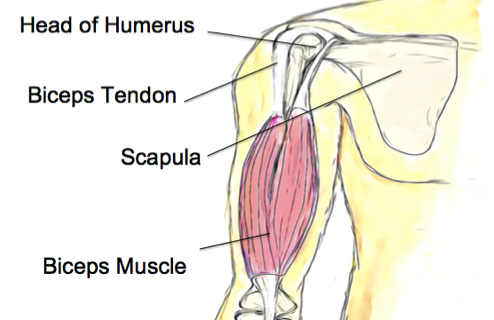
The biceps brachii muscle, commonly known as the biceps, sits between the shoulder and elbow.   It has two parts: the long head and short heads.  These come together to form the main muscle bulk, which is the “Popeye” part of your upper arm.   The biceps brachii muscle runs from the top and front of the shoulder all the way down to the upper forearm.  The biceps tendon is the part that attaches the muscle to the bone, both at the shoulder and the elbow.

The biceps muscle functions to bend the elbow and turn the hand to face palm-up. The term “tendinopathy” is used to describe injury and pain of a tendon.  This is most commonly due to overuse. Biceps tendinitis tends to affect the long head of the biceps more commonly.  Both the tendon itself and the tendon sheath can be the source of pain.

How does it happen?

This condition occurs most commonly due to repeated use of the biceps over a long period of time.  People with this condition often present in the later stages of tendon damage, when they begin to experience pain.  This means that biceps tendinopathy is a slow-developing condition, without any symptoms until it reaches the point that the tissues become injured and painful. This is the body’s way of self-defence; it is telling you that it doesn’t like the activity you are asking it to do.

While specific tasks such as throwing sports, tennis or golf can increase the risk of developing a biceps tendinopathy, often it is simply caused by usual daily activities throughout the course of an adult’s life.  With aging comes a decrease in the collagen and elastin components of tendons.  This contributes to a reduced ability to sustain a high load, which can cause degeneration or inflammation over a longer period of time.

What are the symptoms?

Biceps tendinitis is painful; often aching at night and increasing in intensity when performing overhead tasks such as reaching and lifting.  The pain is usually at the front of the shoulder, and can radiate downwards along the front of the arm.

People with this condition often have developed adaptations to their usual movement patterns in order to avoid aggravating this pain.  This in itself can lead to other issues such as strained or overworked muscles.  An example of this is hitching up the shoulder to the ear when going to use the affected side, as this will help to offload the affected muscle, allowing the biceps to be under less stress.  Unfortunately, eventually this will increase the stress on the muscles of the upper neck and shoulder, leading to secondary aches and pains.

How can physiotherapy help?

Your physiotherapist will assess and diagnose this condition, which will in turn allow for a comprehensive management plan to be put in place.  A combination of strengthening, stretching and muscle release is often beneficial to assist in management of this condition.

If you have developed secondary complications with changes to your normal movement patterns, your physiotherapist can assist you in addressing these and training your body to avoid causing further damage.

If further imaging or onward referral is needed, your physiotherapist can help in guiding you through this process.

None of the information in this newsletter is a replacement for proper medical advice. Always see a medical professional for advice on your individual condition.

Some Important Information About Back Pain


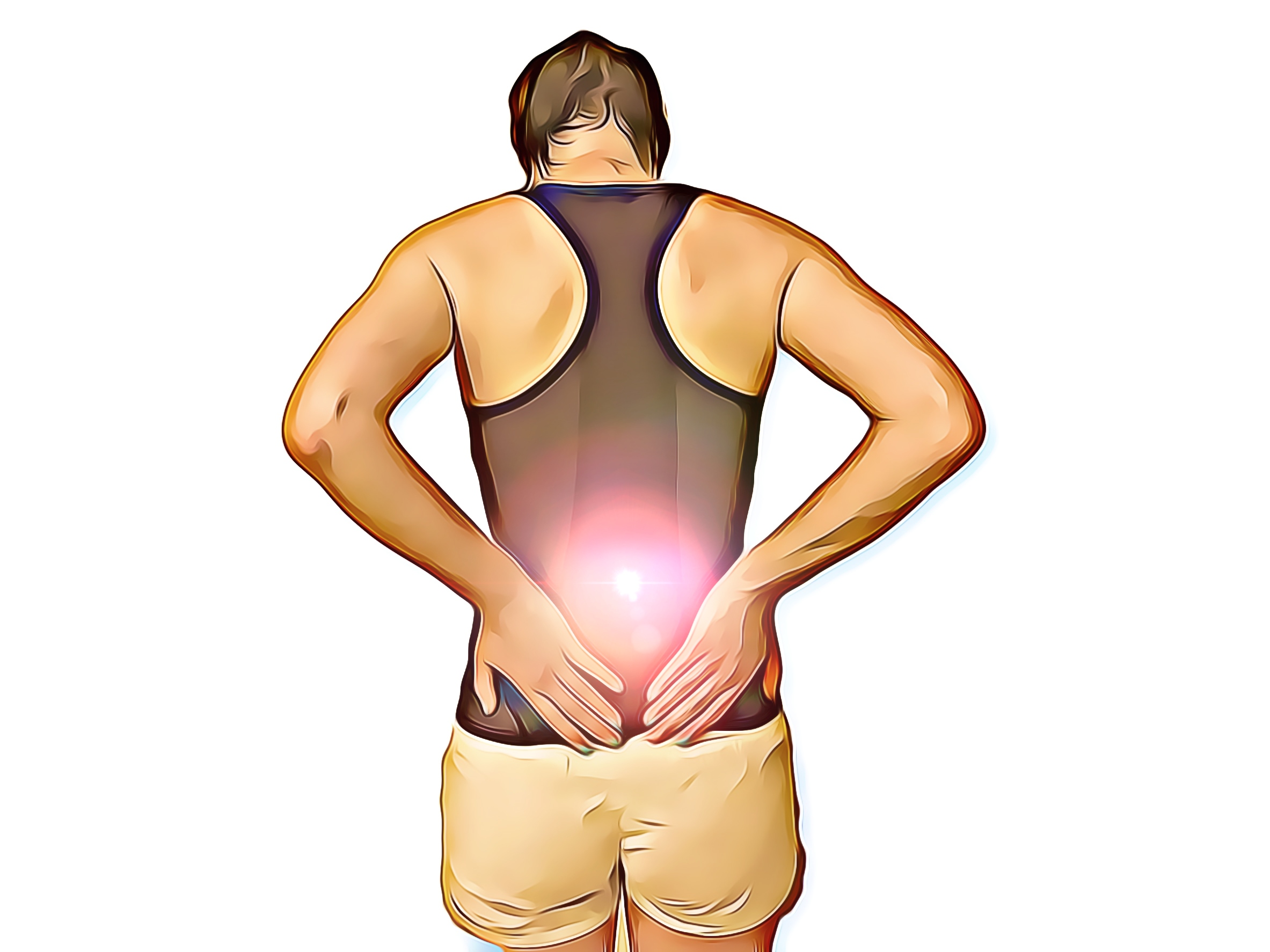
Low back pain (LBP) is thought to affect up to 60 to 80% of the Western population throughout the course of their life.  Many people do not have any preceding events to cause this back pain, although specific injuries can also initiate their symptoms. Lower back pain constitutes almost half of all chronic pain.  This has a huge effect on quality of life and people with LBP tend to have more time off work and higher of medical costs than those who do not have symptoms.
Sedentary lifestyles, increased body weight, reduced physical activity and poor postures are all contributing factors to LBP.   Obesity rates in the western world have never been higher, and this is known to cause greater rates of musculoskeletal pain than ever before. Back pain can strike suddenly or build up slowly over a period of time. Many people report sudden and severe onset of back pain from a seemingly innocent movement. Others find that their back aches towards the end of the workday and follows a regular pattern. Thankfully, more and more workplaces are advocating for better ergonomic set-ups in order to pre-emptively reduce the incidence of LBP amongst employees.

Dealing with back pain is complicated as there are many treatments to choose from.  Unfortunately, there is rarely a miracle cure that works for everyone. What research tells us is that effective and timely advice, thorough professional assessment and a tailored exercise program shows the best outcomes in the long term.

There are some cases where your physiotherapist or doctor will suggest that you have imaging such as an x-ray or MRI. While imaging can be helpful in ruling out serious injuries it is important to realise that if everyone was to have an MRI of their spine, it is reasonable to expect that most people would have changes in the appearance of their spines, even if they don’t have any pain or other symptoms. The take-home message is that scans do not always paint an accurate picture of what is happening within a person’s back.

The back is made up of a number of different structures that work together to achieve the required movements needed to perform daily activities.  With such a complex combination of tissues and joints, aches and pains can be caused by any number of structures. Keeping the muscles and joints of the spine strong and healthy can have a remarkable impact on pain levels regardless of the specific structure causing symptoms.

If you are suffering from back pain, speak to your physiotherapist for advice on how to best manage your symptoms. While no one can prevent back pain with 100% certainty, keeping active, avoiding smoking and maintaining a healthy relationship with alcohol and heavy labour, can reduce your chances of having low back pain.

None of the information in this newsletter is a replacement for proper medical advice. Always see a medical professional for advice on your individual condition.

Hamstring Tears

Hamstring tearWhat is it?

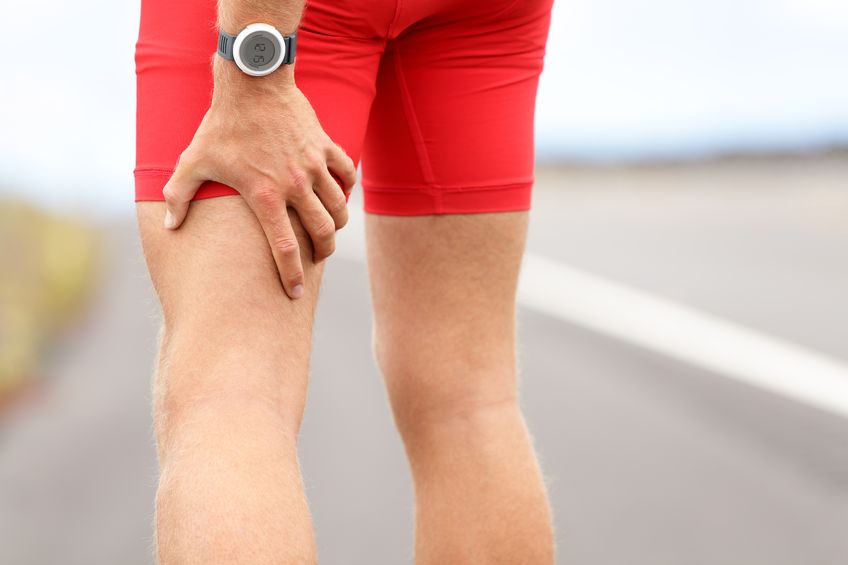
The hamstrings are a large group of muscles found at the back of the thigh. The primary role of these muscles is to bend the knee and collectively, these muscles are some of the strongest in the body. Despite their strength, the hamstrings are very prone to injury especially when overworked or undertrained. Hamstring strains and tears are quite common in sports that involving sprinting, jumping and sudden changes in speed. Football and soccer players are some of the athletes most commonly affected by hamstring tears.

Hamstring strains are categorized into three grades, these are:

Grade 1 (mild) – A few muscle fibers are either damaged or ruptured; there may be pain a day after the injury but no loss of movement.

Grade 2 (moderate) – Roughly half of the muscle fibers are torn; there may be acute pain and mild loss of function; walking may be affected. Grade 3 (severe) – More than half of the muscle fibers are ruptured and there is immense pain and swelling; definite muscle weakness and loss of function.

Grade 3 (severe) – More than half of the muscle fibers are ruptured and there is immense pain and swelling; definite muscle weakness and loss of function.

What are the symptoms?

The symptoms of a hamstring tear depend on the severity of the injury. Common symptoms include pain at the back of the thigh – which could range from mild to severe, swelling, bruising, loss of knee motion, tenderness at the back of the thigh, reduced length and muscle weakness of the hamstring. In some cases, tingling, numbness and weakness of the structures below the knee are seen. However, these are rare.

What are the causes?

A single cause of hamstring tears can be difficult to determine however, it is thought that a lack of coordination between the hamstrings and quadriceps muscles during sudden changes of speed or when kicking can cause the hamstrings to contract excessively or become overstretched, causing a tear.

There are also recognised risk factors, that increase the possibility of hamstring tears including increased age, fatigue, strength imbalance, previous injury of the hamstrings, poor core stability, poor hamstrings flexibility and tight hip flexors.

How can they be prevented?

Understandably, trying to prevent hamstring tears is important business. Research has consistently shown that the most important factor in preventing hamstring tears is having high eccentric strength in the hamstrings. Eccentric muscle contractions occur when a muscle is contracting while also lengthening. For example, when you lower your straightened leg slowly to the ground, your quadriceps muscle will be working eccentrically.

Your physiotherapists is able to show you some exercises that can target eccentric muscle strength specifically as well as identifying any risk factors that may be contributing to you individual risk. None of the information in this newsletter is a replacement for proper medical advice. Always see a medical professional for advice on your individual condition.

The surprising truth about Osteoarthiritis

Sufferers of knee pain know that nothing can kill your optimism for a recovery faster than a diagnosis of Osteoarthritis (OA). Osteoarthritis is often seen as a kind of death sentence for joints. Many people believe that if you have OA your pain will never improve and will only get worse until a joint replacement can be performed. In fact, joint replacements for hip and knee OA are some of the most common and indeed successful operations performed by orthopedic surgeons.

At least this has been conventional wisdom for decades. Many of us see our bodies like cars, when a part ‘wears out’ it needs replacing with a new one. The truth is much more complicated, mainly due to our bodies’ incredible ability to adapt and change.

Physiotherapists have always known that the pain and disability that comes with arthritis can be improved with a closely targeted exercise program. In some cases, the pain that is attributed to OA is actually due to another, entirely treatable cause. In other cases, strengthening the musculature around the painful joint can have a significant effect by providing the joint with extra support.

The way we move is often affected negatively by pain and this in itself can create a downward spiral. This is not to say that in some cases, surgery is the best and most effective option to improve your quality of life. Rather that there is a strong case to see a physiotherapists to seek treatment for your knee pain first.

Physiotherapists are highly skilled at identifying exactly what is causing your pain and helping you reach the highest level of function. In fact, a recent study has shown that with targeted exercises, directed by physiotherapists – many patients who were scheduled to have surgery were able to improve their quality of life dramatically, avoiding surgery and getting back to their favorite activities.

While exercise is a very powerful treatment, it’s not that any exercise will take away any pain. To be effective, you will need to have a full assessment and have a personalized treatment program created by your physiotherapist. This can involve identifying weak muscles, limitations in flexibility, finding painful trigger points, restoring movement to stiff joints and providing biomechanical assessment to make a combination of changes that can make a large difference to your pain and activity levels.

Your physiotherapist can also identify any external factors that may be contributing to your pain. Such as unsupportive footwear, workplace set up etc. Talk to us to see how we can help you manage your osteoarthritis.

None of the information in this newsletter is a replacement for proper medical advice. Always see a medical professional for advice on your individual condition.

Ankle Sprains

What is it?

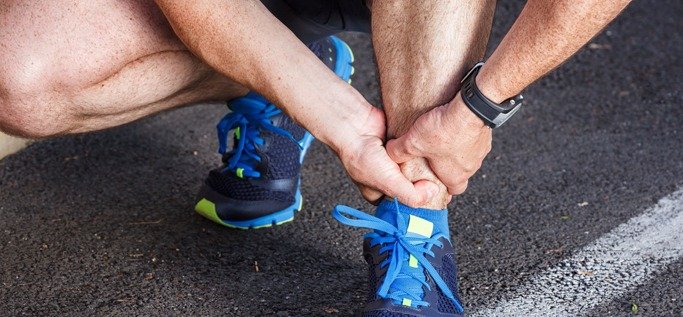
Almost everyone has twisted their ankle at some in their life; in fact, it is one of the most common reasons for people to visit an emergency department. Technically an ankle sprain has occurred when an ankle twists, causing damage to one of it’s supporting ligaments. The ligaments can be overstretched, partially torn or completely ruptured, depending on the force of the injury. The ligament that is most often involved is the ATFL, or the anterior-talofibular ligament, located on the outside of the ankle.

While there are many ligaments surrounding and supporting the ankle, this ligament is the most vulnerable as it stops the ankle from rolling inwards, which is the way that most ankles are injured. Athletes who jump while moving in different directions, such as basketball players, are the most prone to this injury as they often land on their foot when it is not completely flat, twisting it and injuring the ligaments.

What are the signs and symptoms?

Most people won’t have any problem diagnosing that they have a sprained ankle. The symptoms are pain, swelling and tenderness over the area of damage, usually the outside of the ankle. Depending on the severity of the injury, there many be bruising, reduced range of movement, instability and pain with weight bearing. In more severe injuries there may even be a loss of function, where you are unable to walk on the ankle and numbness and/or a feeling of coldness in the foot.

Why should I see a physiotherapist?

Twisted ankles can also cause a fracture of the ankle, not just ligament damage and many times a bad sprain and a fracture cannot be told apart without proper medical assessment and an X-ray. Your physiotherapist is able to identify if your sprain is severe enough to need further investigation to rule out a fracture. They will also classify the severity of the sprain, providing you with a clear course of treatment. There are many factors that can lead someone to be more prone to fractures, including general hyper flexibility, unsupportive footwear and anatomical structure, however by far the most common reason for an ankle sprain is the existence of a previous sprain without complete rehabilitation.

This is because following an ankle sprain, many people are left with weakness, instability or stiffness, reduced balance and proprioception – which is a sense of where your body is positioned. These things can mean that the next time your ankle is in a vulnerable position you don’t have the strength, awareness of position, balance or structural control to ensure it is in the correct position before putting all your weight through it, causing another injury.

As well as helping you reduce and recover from the pain and swelling of the injury in the early days. Your physiotherapist is trained to identify which issues are likely to affect you in the future and assist you with a personalized rehabilitation program to ensure your ankle is as strong and stable as possible to prevent future injuries.

None of the information in this post is a replacement for proper medical advice. Always see a medical professional for advice on your individual condition.