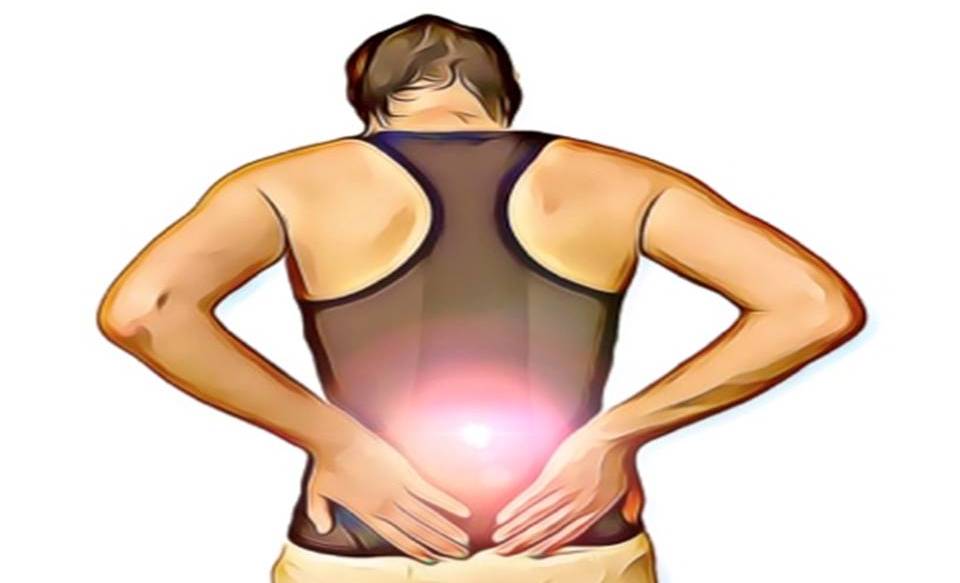
Things to Avoid When You Have Back Pain

Back pain is such a common experience that it is estimated up to 80% of adults will have at least one severe episode of back pain in their lifetime. 

For many people, the pain quickly resolves and things go back to normal. However the first time this happens to you it can be scary, particularly as very severe pain can occur suddenly and without warning.

Statistics, however, are on your side. Most of the time, acute low back pain resolves without consequence and doesn’t recur. If you happen to be in the middle of an episode, here are a few tips to help you get through.


  1. Avoid heavy lifting

While this may seem obvious, there are a few people who will always try to push through the pain. The expression “no pain, no gain” is in many cases outdated and if your work requires heavy lifting, it is more than reasonable to take a few days off.


  1. Avoid too much rest.

On the other hand, lying in bed all day is bad for you as well. If you have severe back pain, gentle movement under the advice of a physiotherapist is much better for you than complete rest.


  1. Avoid long car or plane trips

If possible, now is the time to avoid long distance travel. If you absolutely must travel, speak to your physiotherapist about how to manage your pain during the trip.


  1. Avoid listening to horror stories

There are always stories about pain that never went away, requiring surgery, which only made it worse. While worst case scenarios do happen, being fearful is a negative factor in a healthy recovery. That terrible story is probably not going to happen to you and hearing these stories is only going to impact your recovery negatively.


  1. Avoid delaying treatment

While your pain may go away on its own, it is important to have a professional assess your condition to screen for any serious injuries and advise you on how to best manage your pain while you are getting better. They can also help you recover as quickly as possible.


  1. Don’t expect a miracle cure 

Back pain is complicated, and a single treatment that works for everyone does not exist. It is important to follow the directions of your therapist and work with them to set reasonable and realistic goals for your recovery.


None of the information in this article is a replacement for proper medical advice. Always see a medical professional for advice on your individual injury.

Stress Fractures

What is a stress fracture?

A stress fracture is a microscopic fracture of the bone that is so small that it often cannot be picked up on X-ray. If left untreated, a stress fracture can cause significant disability and develop into a full fracture, possibly even requiring surgery.

The majority of stress fractures occur in the lower limb, being particularly common in the hip, shins and foot at points where the most force passes through when weight bearing. Most stress fractures are overuse injuries and are common in long distance runners.


What are the symptoms?

As with many overuse injuries, the pain of a stress fracture starts gradually, beginning with pain during or after activity or sometimes the morning after. If activity continues without modification, the pain will gradually increase. Eventually most people are unable to maintain their usual activity level. Stress fractures are common in runners and military personnel who are required to march for long periods. A stress fracture will be more likely to occur in a person who has weaker bone strength, such as someone with osteoporosis, which is itself affected by many factors such as adequate calcium intake, vitamin D deficiency and a history of inactivity.


How are stress fractures treated and how long will it take to get better?

Stress fractures can easily be mistaken for other conditions such as shin splints. As the fracture is often too small to show up on X-ray, definitive diagnosis can be made using MRI or bone scan.

After diagnosis, the most important part of treatment will be resting the area to allow the bone to heal before resuming activity. Stress fractures usually need at least 6 weeks to recover fully. Some areas of the body have poor blood supply, which makes healing more complicated.  For example, stress fractures of the navicular bone of the foot may need to be kept still and placed in a boot or cast for a period of time to heal properly.

Other aspects of treatment will involve correcting any factors that contributed to the original injury. There is some evidence that unsupportive footwear is a risk factor, along with poor biomechanics and weak muscles that provide inadequate support to the skeletal system during activity. Speak to your physiotherapist if you suspect you may have a stress fracture or simply want to know more.

None of the information in this article is a replacement for proper medical advice. Always see a medical professional for advice on your individual injury.

Margherita Calzone

Ingredients:

Pizza Base:

  • 1 cup plain Flour
  • 1 cup Self Raising Flour
  • 1 cup Warm Water
  • 1 tsp. Yeast
  • 1 tsp. Honey

Filling:

  • 200gm Fresh Tomatoes
  • ½ tsp. Fresh Basil, diced
  • 100g. Mozzarella Cheese
  • Salt and Pepper

Making

  1. To prepare dough, combine yeast, honey and water, stir thoroughly and allow to sit for 2-3 minutes to activate the yeast.
  1. Place both plain and self-raising flour in a large mixing bowl, and knead thoroughly until a consistent dough is formed. Cover and leave to sit for a few minutes.
  1. Preheat oven to 230 degrees celsius and sprinkle a tsp. of polenta onto the tray.
  1. Cut a small segment of dough and use a rolling pin to flatten into a thin base approximately 20cm in diameter.
  1. Add filling to one half of calzone, starting with tomato sauce, basil, tomatoes and top with mozzarella cheese. 
  1. Gently fold over calzone top and press edges together with a fork to make a closed pocket. Bake in the oven for 20 minutes or until golden brown.