Four Tips For Avoiding Injuries Whilst Exercising

Being active is one the most important aspects of a healthy lifestyle and there are many different ways to get your heart rate up. No matter what your choice of activity is, there is always some risk of injury. In this article, we have listed some tips from physiotherapists to help you prevent accidents and injuries.

  1. Choose the right footwear

The correct footwear can go a long way in protecting your feet and ankles from injury and can even prevent serious accidents such as falls. Every activity places different demands on your body and tailoring your footwear to suit these stressors is a great strategy for preventing injuries.  For example, basketball players often wear shoes with support that extends above the ankles to help protect against ankle sprains, while hikers require thick and supportive soles to cushion and protect their feet. Wearing shoes that are too large or have poor grip can lead to slips and falls, particularly when exercising in the outdoors. Your physiotherapist can guide you with the correct choice of footwear for your chosen activity.

  1. Pace yourself

When you start to see improvements in your fitness and strength, it can be tempting to push your limits to see just how far you can go. The danger in this is that often your tissues are still adapting to the increased demands of your new exercise regime. Increasing your weights, training time or running distances by too much too soon can lead to major setbacks. Give your body time to adjust and progress in a slow and steady manner.

  1. Check your form and posture

Checking your posture in the middle of a workout is probably the last thing on your mind, however poor form is a leading cause of injury in athletes. Lifting heavy weights when your spine is not in its optimal position causes many low back injuries. Taking a second to check your posture before starting a lift is highly recommended.

  1. Seek professional advice

Coaches and trainers are able to help you spot vulnerabilities and share their knowledge, helping you get the most out of your chosen activity.  Often it is easier to prevent bad habits from forming than it is to break them once they are already in place. Invest in the advice of an expert, they can help you to avoid injuries as well as reach your peak performance.

Your physiotherapist is able to identify weakness in your training technique, biomechanical vulnerabilities, tight and/or weak muscles and can help guide you through your recovery if an injury does occur. However, prevention of injuries is always preferable to treatment, whenever possible.

 None of the information in this article is a replacement for proper medical advice. Always see a medical professional for advice on your individual injury. 
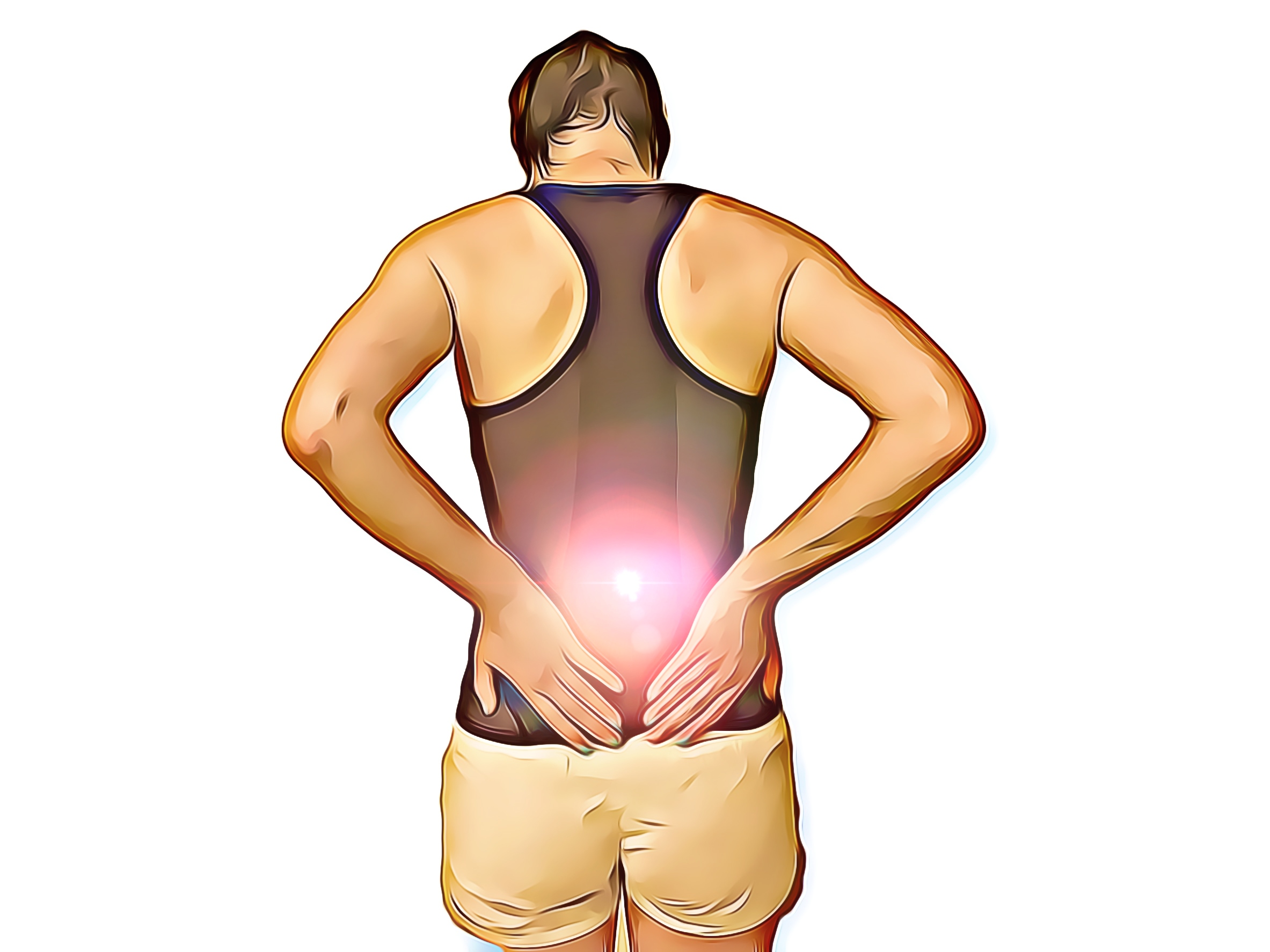
Three Common Myths About Back Pain


Low back pain is one of the most common conditions treated by physiotherapists and if you are unlucky enough to have been a sufferer, you know that severe back pain can take over your life. With improved understanding, health professionals have come to identify some common myths about back pain that are inaccurate, misleading or even counterproductive.

Myth #1 – Discs can ‘slip’ out of place

Sitting between the vertebrae of the spine are soft discs that provide flexibility and shock absorption to the spine. In the past, many health professionals including doctors and physiotherapists told patients that these discs had ‘slipped’ as a way of explaining their pain to them. While this was helpful to some extent, it is not entirely accurate, as these discs are actually very secure and rarely, if ever ‘slip’ out of place. Discs may bulge slightly or in some cases tear, however more often than not these injuries will heal without any permanent damage and exist in many people without causing any pain at all.  Thinking that a part of your spine has permanently ‘slipped’ out of place can cause you to move differently, which can create more pain and dysfunction in itself.

Myth #2 – If you have low back pain, you should stay in bed

When back pain strikes, our natural instinct is to rest, avoid movement and wait for the pain to pass. However, studies have shown that being active and performing targeted and gentle exercises can help improve low back pain. In fact, our impulse to stop moving and protect our spines can actually cause abnormal movement patterns and stress, leading to ongoing pain after the original injury has healed. If you are unsure of what kind of exercises you should be doing, your physiotherapist can help guide you with a targeted exercise program.

Myth #3 – Severe pain means severe damage

Pain that is severe, strikes suddenly and without warning can be a very scary experience. If this happens to you, you could be forgiven for assuming you must have sustained a very serious injury. The fact is, however, that the spine, being surrounded by nerves is a particularly sensitive area of the body and pain in this area can be very strong without significant damage. A small ligament sprain or muscle tear can actually cause a large amount of pain and it is common for intense symptoms to settle down quickly, even disappearing within a few days. In many cases, symptoms that last for longer than 2-3 weeks are caused by changes to your movement patterns in response to this pain and not the original injury itself.

If you are suffering from back pain, the best person to see is your physiotherapist. They can help you to recover without any complications or side effects and help you safely return to your usual activities while also ruling out any serious damage that might need further investigation.

None of the information in this article is a replacement for proper medical advice. Always see a medical professional for advice on your individual injury.