The Two Minute Workout Challenge
Keeping active while at home for long periods can be challenging. For many people, going out for a run or taking time to perform a full workout can be daunting, especially if this is not a part of their usual routine.
There are a few quick and easy ways to add some movement to your day, starting with something as simple as boiling the kettle. As the average kettle takes 2-3 minutes to boil, challenge yourself to see if you can complete these five exercises while waiting for your cup of tea. You can focus on one each day, or work through one different one each time.
1.Challenge your balance.
Standing on one leg is something many of us assume we can do, yet rarely take the time to check. This is an essential skill that can deteriorate without being noticed until everyday activities, such as getting dressed, are impacted. Being able to stand on one leg is important for putting on shoes, trousers and reduced balance can be a risk factor for falls.
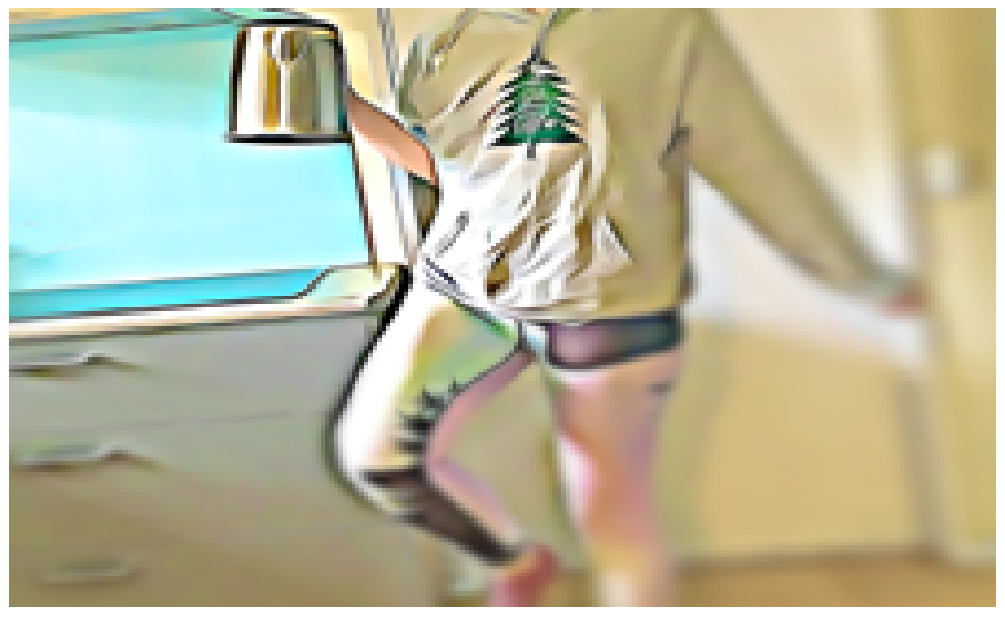
Start by seeing if you can stand on one leg with your eyes open for the entire time the kettle is boiling. Test both legs and if this is too difficult, make sure you are close to a bench that you can use to support yourself. To increase the difficulty, try balancing with your eyes closed, then progress to balancing on your tiptoes. If you can balance on your tiptoes, with your eyes closed, then you may need to ask your physio for more suggestions.
2.Heel Raises
Start by keeping your knees slightly bent and lift both heels off the ground at the same time. You can begin with repetitions of 5, have a quick rest then repeat. Challenge yourself to increase the speed of your heel raises and see how many you can fit into your waiting time. As you bend your knees, aim to keep your knees over your second toe. If you feel this is a little too easy, you can progress to single-leg heel raises, which will also improve your balance!
You can start a daily competition with the people in your household to see who can complete the most.
3.Squats
Squats are a great exercise to keep your large muscles working. You can start with small squats and reps of 5, aiming to slowly increase your number and progressively squat to a lower position. As with heel raises, when you start to find squats to be less of a challenge, you can move to single-leg squats.
Don’t hesitate to ask one of our physios for tips on how to stay active while at home. The information in this newsletter is not a replacement for proper medical advice.