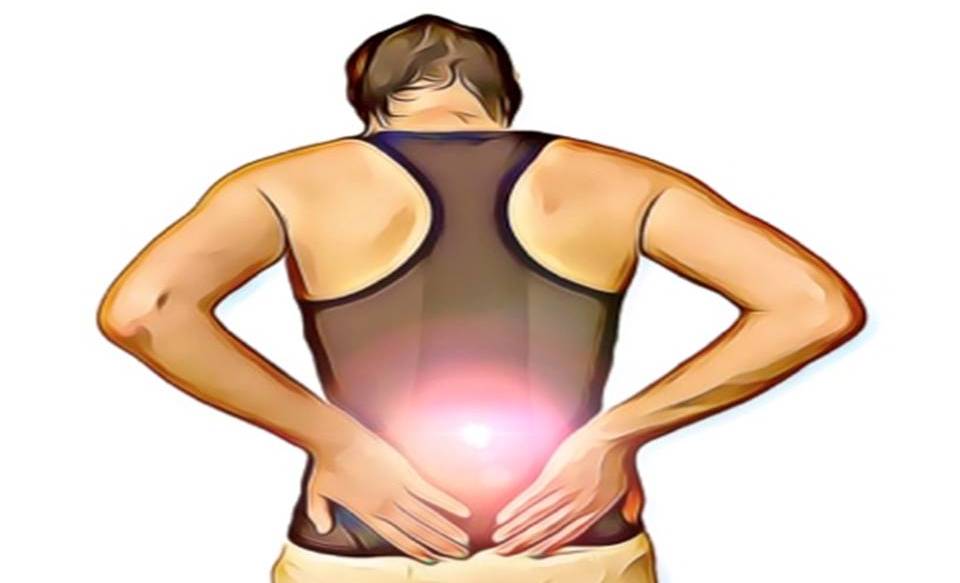
Things to Avoid When You Have Back Pain

Back pain is such a common experience that it is estimated up to 80% of adults will have at least one severe episode of back pain in their lifetime. 

For many people, the pain quickly resolves and things go back to normal. However the first time this happens to you it can be scary, particularly as very severe pain can occur suddenly and without warning.

Statistics, however, are on your side. Most of the time, acute low back pain resolves without consequence and doesn’t recur. If you happen to be in the middle of an episode, here are a few tips to help you get through.


  1. Avoid heavy lifting

While this may seem obvious, there are a few people who will always try to push through the pain. The expression “no pain, no gain” is in many cases outdated and if your work requires heavy lifting, it is more than reasonable to take a few days off.


  1. Avoid too much rest.

On the other hand, lying in bed all day is bad for you as well. If you have severe back pain, gentle movement under the advice of a physiotherapist is much better for you than complete rest.


  1. Avoid long car or plane trips

If possible, now is the time to avoid long distance travel. If you absolutely must travel, speak to your physiotherapist about how to manage your pain during the trip.


  1. Avoid listening to horror stories

There are always stories about pain that never went away, requiring surgery, which only made it worse. While worst case scenarios do happen, being fearful is a negative factor in a healthy recovery. That terrible story is probably not going to happen to you and hearing these stories is only going to impact your recovery negatively.


  1. Avoid delaying treatment

While your pain may go away on its own, it is important to have a professional assess your condition to screen for any serious injuries and advise you on how to best manage your pain while you are getting better. They can also help you recover as quickly as possible.


  1. Don’t expect a miracle cure 

Back pain is complicated, and a single treatment that works for everyone does not exist. It is important to follow the directions of your therapist and work with them to set reasonable and realistic goals for your recovery.


None of the information in this article is a replacement for proper medical advice. Always see a medical professional for advice on your individual injury.

Tips For Setting Up Your Home Office

Many of us spend more time at our desks than any other place. While the risk of injury while seated can seem very unlikely, spending hours in a poorly set up workspace can place vast amounts of pressure on your body and lead to overuse injuries. Below are a few tips that can help you set up your workstation correctly.


Your Chair

Starting with the height of your chair is the best place to begin. Ideally, your feet should be flat on the floor, and if you can adjust the height of the chair, your thighs should be parallel to the floor. If your chair has armrests, they should be low enough to allow your elbows to sit comfortably between 90-110 degrees and resting by the side of your body. A small cushion or rolled-up towel may be added to the back of the chair to add support to the lower back, and this can also help to prevent slouching.

If you are unable to adjust your chair and it is too high, you can use a footrest to allow them to rest comfortably.


Your Desk 

The height of your desk should be set so that your arms can rest comfortably at the keyboard and hands, wrists and forearms can sit in a neutral position and parallel to the floor. Where possible, put everything you need within easy reach and alternate days using your mouse and phone with different hands-on different days.


Your Screen 

The height of your computer should be raised so that the top of the screen is slightly below eye level. Allowing your neck to rest in a neutral position can help to prevent neck pain and headaches. Ideally, if you can set the screen to be 20-40 inches away from your face, this will reduce strain on your eyes while reading.


Some other tips

Being comfortable is extremely important for productivity and focus if you are struggling with pain; your work will often suffer. Even joint stiffness and muscle tightness can disrupt your workflow, and taking the time to adjust your workstation can save you countless hours in the long run and prevent painful overuse injuries.

Taking active breaks from sitting to move and stretch can help to maintain muscle and joint health, which can be compromised from being in the same posture too long. You can set a timer or make an active effort to take phone calls and meetings while standing.


Speak to your physiotherapist for personalized advice on your workplace setup. 

The information in this article is not a replacement for proper medical advice. Always see a medical professional for an assessment of your condition. 

The surprising truth about Osteoarthiritis

Sufferers of knee pain know that nothing can kill your optimism for a recovery faster than a diagnosis of Osteoarthritis (OA). Osteoarthritis is often seen as a kind of death sentence for joints. Many people believe that if you have OA your pain will never improve and will only get worse until a joint replacement can be performed. In fact, joint replacements for hip and knee OA are some of the most common and indeed successful operations performed by orthopedic surgeons.

At least this has been conventional wisdom for decades. Many of us see our bodies like cars, when a part ‘wears out’ it needs replacing with a new one. The truth is much more complicated, mainly due to our bodies’ incredible ability to adapt and change.

Physiotherapists have always known that the pain and disability that comes with arthritis can be improved with a closely targeted exercise program. In some cases, the pain that is attributed to OA is actually due to another, entirely treatable cause. In other cases, strengthening the musculature around the painful joint can have a significant effect by providing the joint with extra support.

The way we move is often affected negatively by pain and this in itself can create a downward spiral. This is not to say that in some cases, surgery is the best and most effective option to improve your quality of life. Rather that there is a strong case to see a physiotherapists to seek treatment for your knee pain first.

Physiotherapists are highly skilled at identifying exactly what is causing your pain and helping you reach the highest level of function. In fact, a recent study has shown that with targeted exercises, directed by physiotherapists – many patients who were scheduled to have surgery were able to improve their quality of life dramatically, avoiding surgery and getting back to their favorite activities.

While exercise is a very powerful treatment, it’s not that any exercise will take away any pain. To be effective, you will need to have a full assessment and have a personalized treatment program created by your physiotherapist. This can involve identifying weak muscles, limitations in flexibility, finding painful trigger points, restoring movement to stiff joints and providing biomechanical assessment to make a combination of changes that can make a large difference to your pain and activity levels.

Your physiotherapist can also identify any external factors that may be contributing to your pain. Such as unsupportive footwear, workplace set up etc. Talk to us to see how we can help you manage your osteoarthritis.

None of the information in this newsletter is a replacement for proper medical advice. Always see a medical professional for advice on your individual condition.

Focus on : Tennis Elbow

What is Tennis Elbow?

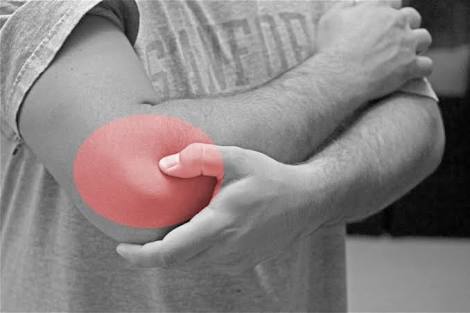
Tennis elbow, also known as Lateral Epicondylitis, is a common condition characterised by pain at the outside of the elbow with movements of the wrist and hand.

The pain is usually localised to the tendon of a small muscle of the forearm just below the elbow called Extensor Carpi Radialis Brevis (ECRB).

This muscle is responsible for extending the wrist back into a “stop” position and is active when gripping and moving objects.

While the term ‘tennis elbow’ is used because this is a common injury for tennis players, anyone who performs repetitive tasks with their hands and wrists can be susceptible, including office workers and manual labourers.

What are the signs and symptoms?

The cardinal sign of tennis elbow is pain felt on the outside of the elbow, particularly when making wrist movements or when gripping an object.

Symptoms may occur suddenly or appear gradually over time. In the early stages, pain may be present with activity and quickly go away with rest, however, as it progresses the pain may be more constant, lasting for longer and occurring with smaller movements.

If pain has persisted for three months then it is considered to be a chronic condition. As with most injuries, the longer an issue has been present, the longer it usually takes to resolve.

Other symptoms can include night pain, stiffness in the elbow and forearm, weakness, numbness and pins and needles. As symptoms progress, simple tasks such as lifting a cup can be painful, which can have a significant impact on your lifestyle.

What causes it?

While tennis elbow was originally thought to be due an inflammation process, it appears that this is not the case, rather there is an increased sensitivity to the area along with changes to the blood supply and disorganization of the collagen fibres that make up the tendon.

These changes are an adaptation to excess loading of the tendons attaching to the elbow, particularly the ECRB.

Most of the time, this happens because of small repetitive movements that are done with poor ergonomics or technique. If the health of the tendon tissue is compromised, this can also contribute to the development of tennis elbow.

Poor nutrition, disuse, inflammatory diseases and aging can all mean that the tendon is less able to adapt to forces and are a risk factor for the development of tennis elbow.

How can Addlife Physio help?

Your physiotherapist will first confirm that you are indeed suffering from tennis elbow, which is an important step as some neck conditions can present with similar symptoms.

Once the diagnosis has been confirmed, we will determine the severity and causes of your particular condition, testing your grip and individual muscle strength.

We can also identify any muscle tightness, postural or ergonomic flaws and joints stiffness that may be contributing to your condition.

Treatment may include, fitting of a brace, dry needling, strengthening with eccentric exercises and stretching.

Depending on the cause of your tennis elbow, your physio may suggest a change in the setup of your desk, workplace, or grip technique of your racket or hand-held tool.

Eccentric exercises load the muscles in a very specific way and research has shown that these exercises can help strengthen tendon tissues, reducing symptoms of tennis elbow.

It is normal for tennis elbow to take a few weeks or even months to heal. If conservative management is not having a good effect, your physio can help you speak to your doctor about other management techniques.

As tennis elbow is a progressive condition that generally does not resolve on its own, it is recommended to seek treatment sooner rather than later, as recovery is much faster when started early.

If you or anyone you love are experiencing Tennis elbow, we understand the frustration of the nagging pain and depending on the situation, we can help alleviate it for you and get you back to your best.

All you have to do is call us on 0405 333 921 and have a quick, friendly chat with our team to organise a convenient time so we can help you get back to 100% before you know it.

None of the information in this article is a replacement for proper medical advice. Always see a medical professional for an assessment of your individual condition.

Focus On Anterior Ankle Impingement

What is it?

Anterior ankle impingement, also known as anterior impingement syndrome, is a musculoskeletal condition where repetitive forces compress and damage the tissues at the front of the ankle, causing pain and stiffness. It is a common injury that can affect people of all ages, however is usually seen in athletes of sports involving repetitive or forceful upward movements of the ankle, such as sprinting, landing from long jump, uphill and downhill running.

What are the symptoms?

Pain at the front of the ankle is the primary symptom of anterior ankle impingement. This can be felt as an intense, sharp pain occurring with ankle movements or a dull ache in front of the ankle following periods of exercise. Pain can also be felt when putting weight through the ankle while standing, walking or running. Night-time aching, stiffness, swelling and reduced ankle flexibility are also common symptoms of anterior ankle impingement.

How does it happen?

Anterior ankle impingement is caused by traumatic or repetitive compression to the structures at the front of the ankle as the tibia and talus move towards each other during ankle movements. The tissues that are affected become damaged and inflamed, causing the pain typical of ankle impingement. Chronic inflammation can lead to further stiffness, exacerbating the impingement process.

The most common risk factor for ankle impingement is a previous ankle sprain that was not adequately rehabilitated, as this can result in a stiff or unstable ankle. Another cause of impingement is the growth of small osteophytes or bony spurs around the ankle joint that press against the nearby soft tissues. These can be due to osteoarthritis or grow as a reaction to impingement itself. Training errors, muscle tightness, unsupportive footwear and a hypermobile ankle have also been shown to be risk factors for anterior ankle impingement.

How can physiotherapy help?

Depending on the cause, mild cases of anterior ankle impingement usually recover in one to two weeks with rest and physiotherapy intervention. For more severe impingement, the ankle may require up to six weeks of rest and rehabilitation to recover. In rare cases, surgical intervention will be required to remove any physical causes of impingement, such as osteophytes to restore impingement free movement of the ankle. Your physiotherapist will first identify the cause of your ankle impingement and help you to choose the best course of action to reduce your symptoms. They are able to advise you on the appropriate amount of rest and provide stretches and exercises to restore strength and flexibility to the ankle.

Mobilization techniques and range of motion exercises can also reduce stiffness of the ankle, restoring normal joint movement. Moreover, balance and proprioception exercises are included to prevent further ankle injury. Balance exercises challenge the way your body reacts to outside forces. With this, your balance will be improved, and you’ll have a more stable ankle.

Ideally, physiotherapy treatment is the first step before considering surgery. If surgery is required, your physiotherapist can help you to make a full recovery with a post surgical rehabilitation program.

If you’d like some help with your painful ankles, then call us at Addlife Physio now on 0405 333 921

None of the information in this newsletter is a replacement for proper medical advice. Always see a medical professional for advice on your individual condition.


What you need to know about Osteoarthritis and your hips

What is Osteoarthritis (OA)?

Osteoarthritis (OA) is a degenerative disease that affects the cartilage of joints. Cartilage is a firm, flexible connective tissue that lines the surface of many joints and provides shock absorption and cushioning for the bony surfaces of those joints as they move. During the process of OA, cartilage gradually begins to break down and is worn away. This means that the bony surfaces below the cartilage start to rub together, creating increased stress and friction. The body reacts to this increased stress by creating small bony deposits around the joint, as more of these are created the joint becomes increasingly painful and difficult to move.

The hip is one the joints most commonly affected by osteoarthritis. While OA is generally considered to be a disease associated with aging, younger people can be affected, particularly following trauma to the hip. As a general rule, however, the cartilage in our bodies loses elasticity as we age, making it more susceptible to damage. Other risk factors for the development of OA are a family history of OA, previous traumatic injury of the hip, obesity, improper formation of the hip at birth (developmental dysplasia), genetic defects of the cartilage, impingement of the hip (femoroacetabular impingement) and a history of intense weight bearing activities.

What are the signs and symptoms?

The most common symptoms of hip OA are pain and stiffness with reduced movement of the hip, particularly in the direction of internal rotation. These symptoms in a person over the age of 50, in the absence of a trauma that may have caused a fracture, indicate possible OA. Pain originating from the hip joint can be felt as a deep ache that can be noticed in the groin, buttocks, thigh or even knee. It is also typical for sufferers of OA to experience stiffness in the morning upon waking that lasts less than 30-60 minutes. Grating or cracking sensations with hip movements are also common complaints, along with mild to moderate joint swelling.

In the early stages, mild pain may be felt with activities such as walking or running. As the disease progresses these activities will become more painful with the muscles that provide additional support to the joint becoming weaker, exacerbating the disease process. For many people, a total hip replacement may be necessary to reduce pain and restore function.

How can physiotherapy help?

For mild to moderate cases of OA, physiotherapy can help to reduce pain and maintain function for as long as possible. Keep the musculature around the hip as Strong and healthy as possible can have a significant impact on your quality of life and your physiotherapist work with you to help you to set and reach your goals for treatment

Treatment will also include stretching, trigger point therapy, joint mobilization to increase the joint’s mobility, and a personalised exercise program, including hydrotherapy and isometric exercises that work to increase muscle strength while putting less pressure on the joint.

For those whose best course of treatment is surgical joint replacement, physiotherapy can help to achieve great outcomes by helping with effective preparation and rehabilitation, getting you on your way to recovery as quickly as possible.

None of the information in this article is a replacement for proper medical advice. Always see a medical professional for advice on your individual condition.

Surprising reasons why your sleeping position could be making your pain worse

For most of us, the hours we spend sleeping are simply a time for rest and recovery. However, you might be surprised to learn that your sleeping position can have a significant impact on your body, particularly if you already have an injury. When you consider that we spend approximately 40% of our lives in bed, it becomes less surprising.

Ideally, your body should be held in a position of minimal stress while sleeping. This means that all your joints and muscles are resting in a neutral position. Over time, joints that are held in more extreme positions may put pressure on the surrounding structures and this may lead to a feeling of stiffness in the morning.

Back Pain

For sufferers of back pain, finding a comfortable position at night can be difficult. Ideally, the natural curves of the spine should be maintained and supported throughout the night. The correct mattress will support your lower back without making you feel as though you have been sleeping on concrete all night. A mattress that is too soft might feel comfortable to begin with, but over time will let you sink too much, meaning the curve of the lower spine will be lost. Waking up with a stiff spine could be a sign that you are using the wrong mattress.

For many people, sleeping on their side keeps their spine in a more natural alignment than on their back. If you sleep on your back, placing a pillow under your knees can help to maintain your lumbar spinal curve throughout the night.

Neck Pain

While you may be attached to your pillow, it could be the cause of unnecessary neck pain for you. The neck is often the most vulnerable part of our body when our sleeping setup is not ideal. Side sleepers may let their neck fall excessively to the side with a pillow that is too low or have their neck elevated too much by having their pillows too high.

The importance of having a supportive pillow that supports your neck while sleeping cannot be overstated. If you find yourself putting your arm under your pillow while you sleep, it is likely that your pillow is too low. Having your shoulder in this position overnight can put unnecessary stress on the structures in the shoulder joint and should be avoided if possible.

Sleeping on your stomach with your head turned to the side can be the cause of many issues and if this is your preferred sleeping position, it could be worth chatting to your physiotherapist about strategies improve your sleeping posture.

Hip Pain

Side sleepers often spend their nights with one leg crossed over their body. This can place extra pressure on the structures on the side of the hip, such as tendons and bursa and can impact the health of these tissues as compression can reduce the blood flow to the area. If the mattress is too firm then the hip on the underside of the body may also be compressed under your bodyweight.

Placing a pillow under your knee while sleeping on your side can help to maintain a neutral alignment of your hip. This can also help to keep your lower back in a more neutral position during the night.

Speak to your physiotherapist for more advice on how to improve your sleeping posture and find out if your sleeping setup is right for you.

Focus on rotator cuff tears


What Is It?

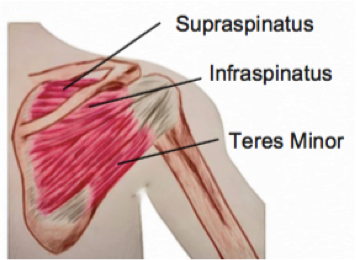
The rotator cuff is a group of four small muscles that surround the shoulder joint. Their tendons attach to the humerus, close to the joint line and act as a cuff that provides support and control to the shoulder. They also play a primary role in creating rotational movements of the shoulder.

Rotator cuff tears are common injuries and can occur in any of the four muscles, usually at their weakest point, which is the junction between the muscle and tendinous tissue. These tears are common in racket and throwing sports and are one of the leading causes of shoulder pain. The prevalence of rotator cuff tears increases as we age due to age related degenerative changes in the tissues.

What are the symptoms?

Many people have rotator cuff tears with no symptoms at all, and are unaware of the injury. However, for others, these tears can be very painful and lead to difficulty moving the shoulder, particularly with overhead activities. They may find their range of movement is restricted and the arm feels weak. They often experience pain that radiates down to the arm and pain at night, which can cause sleep disturbances.

It is interesting to note that the size of a tear is not necessarily related to the amount of pain and dysfunction experienced, with small tears sometimes creating large problems and large tears going unnoticed.

What are the causes?

Movements that create a rapid twisting motion or overstretching of the shoulder often cause rotator cuff tears. The most common mechanism of injury is a fall onto an outstretched hand. These tears can be acute or chronic, developing over a period of time or related to degenerative changes, where tendon tissue is damaged by everyday activities due to reduced strength and elasticity.

Other causes of rotator cuff tears include overuse, lifting or carrying heavy objects and repetitive overhead activities. Poor biomechanics can cause weakening of the shoulder’s tendons with insufficient blood supply to the rotator cuff over a long period of time. This can leave the tendon more susceptible to injury as is a significant contributing factor to the development of tears and the outcomes of recovery.

How can physiotherapy help?

The primary objectives of physiotherapy treatment are to reduce pain, increase range of motion and strength and improve shoulder function. Your physiotherapist will work with you to help set goals assist to reach them with a targeted rehabilitation program, manual therapy and education on how to achieve the most from your recovery.

While severe tears are often repaired surgically, research is increasingly showing that even in severe tears, a comprehensive rehabilitation program under a physiotherapist leads to similar outcomes to surgery. For this reason, a conservative approach guided by a physiotherapist is often recommended to patients as the first option for treatment. The exact time frame of treatment and recovery will vary from person to person and is affected by a variety of factors including if surgical repair was chosen, the severity of the injury and function prior to injury.

None of the information in this newsletter is a replacement for proper medical advice. Always see a medical professional for advice on your individual injury.


Physio Kalgoorlie

When Will My Injury Heal?


When injury strikes, the first thing that most of us want to know is ‘how long will this take to heal?’ Unfortunately, the answer to this can be complicated and requires at least a little understanding of how the different tissues of the body heal. Each of the tissues of the body, including muscles, tendons, ligaments and bone, heal at different speeds and each individual will have some variation on those times as a result of their individual health history and circumstances.


Understanding the type of tissue injured and their different healing times is an important part of how your physiotherapist approaches treatment and setting goals for rehabilitation. On an individual level, a patient’s age, the location and severity of the injury and the way the injury was managed in the first 48 hours all affect the healing times of an injury. Unfortunately, as we age, injuries do tend to heal more slowly than when we are young. Any medical condition that reduces blood flow to an area, such as peripheral vascular disease, can also reduce the body’s ability to heal at its usual rate.


There are some guidelines that can be followed when predicting how long an injury will take to heal based on the tissue type affected. Muscles are full of small capillaries, giving them a rich blood supply, and as such, they have a comparatively fast healing time with 2-4 weeks for minor tears. This time will be extended for larger tears and more complicated presentations.


Ligaments and tendons have less access to blood supply and tears to these tissues generally take longer to heal. Larger or complete tears of all soft tissues, may not be able to heal themselves and in rare cases, surgery may be required for complete healing to occur. Similarly, cartilage, the flexible connective tissue that lines the surface of joints is avascular, which means it has little or no blood supply. To heal, nutrients are supplied to the cartilage from the joint fluid that surrounds and lubricates the joint.


While the different tissues of the body all have different healing times, they do follow a similar process of healing with three main stages, the acute inflammatory phase, the proliferative stage and finally the remodeling stage.


The inflammatory stage occurs immediately after an injury and is the body’s primary defense against injury. This stage is identifiable by heat, redness, swelling and pain around the injured area. During this phase the body sends white blood cells to remove damaged tissue and reduce any further damage. This stage usually lasts for 3-5 days.


The proliferation stage is the phase where the body starts to produce new cells. Swelling and pain subsides and scar tissue is formed that eventually becomes new tissue. This stage usually occurs around days 7-14 following an injury.


The final stage, known as the remodeling stage is when the body completes healing with the reorganization of scar tissue and the laying down of mature tissue. This stage usually occurs roughly two weeks after the initial injury is sustained.


At each stage of the healing process a different treatment approach is required and your physiotherapist can help to guide you through your recovery.

Ask your physiotherapist to explain how your injury can be managed best and what to expect in your recovery process.


Identifying And Treating Pain From Nerve Tension

Nerve tension is pain that occurs because a nerve is being compressed or stuck in its surrounding tissue which prevents it from moving within its tract like it normally does. This can happen for a variety of reasons. If a joint has been immobile for a period of time it increases the risk that a nerve can get a little stuck causing pain.

Contact us now to see if we can help.