Patellofemoral Pain Syndrome

What Is It?

The knees function as hinges, allowing your legs to swing forwards and backwards smoothly as you walk, kick and run. The kneecap, also known as the patella, sits at the front of the knee and has a variety of functions, including guiding the muscles that straighten the knee, protecting the knee joint and absorbing forces when the knee is bent. When something goes wrong and the kneecap doesn’t move up and down smoothly, the soft tissue between the kneecap and the knee can become irritated, causing pain in a predictable fashion. This is called patellofemoral pain syndrome (PFPS), sometimes also referred to as PFJ syndrome or runner’s knee.

Pain is usually felt on the inside of the kneecap when you put pressure on your knees by running, squatting, bending, using stairs, or hopping. Sitting for long periods of time or keeping your knees bent could also result in pain. 


What Causes It?

The kneecap sits in a shallow groove at the front of the knee and usually moves up and down as the knee bends and straightens without too much trouble. The quadriceps muscles, located at the front of the thigh, contract and pull on the kneecap, which then attaches to the lower leg and act to straighten the knee. If one side of the quadriceps is stronger or tighter than the other, it can cause the kneecap to pull to one side and over time become irritated.

The cause of muscle imbalance or weakness can be for many reasons. In general, the outer muscles of the thigh tend to be stronger and tighter than the inside muscles. If you have poor posture and hip position, this often causes the outer muscles to work harder and the inside muscles to become weaker. Lack of arch support in your feet or simply a physical abnormality of the knees can also cause this condition.


How Can Physiotherapy Help?

Diagnosing patella-femoral pain syndrome correctly is important because pain on the inside of the knee can also be caused by injury, dislocation, inflammation, arthritis and a variety of other less common diseases.

With that in mind, it is helpful to know that your physiotherapist can diagnosis PFPS and identify its likely causes.

Whether it is due to poor posture, a lack of arch support in your feet, or poor running technique, your physiotherapist will assess the problem and provide a specifictreatment program to best approach yourcondition. PFP syndrome usually responds quite well to biomechanical analysis and correction of any muscular weakness and imbalance. Having the correct shoes and orthotics can also make a huge difference. There are some short-term treatments, such as patella taping, try needling, trigger point therapy and ultrasound, which may help alleviate symptoms quickly and keep you active while you address the other factors contributing to your pain.

In the rare case that your condition is not helped by physiotherapy, surgery is also considered as last resort. For more information, please feel free to ask your physiotherapist.


None of the information in this newsletter is a replacement for proper medical advice. Always see a medical professional for advice on your individual injury. 
How Physiotherapy Can Help Injury Healing

There is no doubt that the human body can be resilient. The body is capable of recovering from amazing amounts of damage, including broken bones. Perhaps because of this, many people feel that physiotherapy treatment can only speed up recovery and if they are not elite athletes then simply letting nature take its course is the best, and most cost-effective choice for them.


Speed of recovery, however, is only one very small measure of physiotherapy success and fails to fully represent how important proper treatment is. Here are a few things about injury healing you may not have been aware of.


  1. Scar Tissue is more likely to form without treatment. 

Scar tissue can cause ongoing pain and stiffness in skin, muscles and ligaments. Physiotherapy can prevent excess scarring through advice regarding movement, massage and other hands-on treatment.


  1. Your ability to sense the position of your body, known as proprioception, is often damaged after an injury and can be retrained. 

Impaired proprioception is a major factor in reinjury. If you’ve ever heard someone say “my knee/ankle/shoulder still doesn’t feel 100%” then this could be why. Physiotherapy treatment will aim to restore proprioception as a part of standard rehabilitation.


  1. Once healing has finished, your body may not be quite the same as before. 

Injured ligaments may be weaker, torn muscles and joints may be stiffer and tighter. While the original pain may resolve, there may still be some residual issues that need to be addressed to prevent reinjury.


  1. You may have picked up some bad habits while waiting for the injury to heal. 

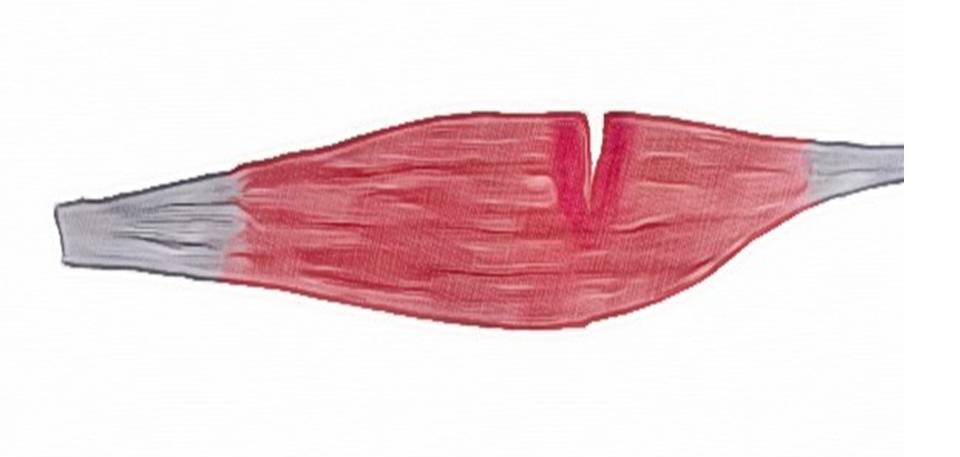
While in pain, we often change the way we do things, which can lead to the development of poor movement patterns and muscle imbalances. Even though the pain has gone, these new patterns can persist and create further problems down the road.


  1. Injuries don’t always heal completely.

On rare occasions, circumstances may prevent an injury from healing fully. The most serious example of this would be a fracture that cannot heal if the bone is not kept still enough. Other factors that may prevent an injury from healing include poor circulation, diabetes, insufficient care of the injury and poor nutrition.


Your physiotherapist can assess your injury and develop a treatment plan that will both restore you to the best possible function and prevent further injuries. 

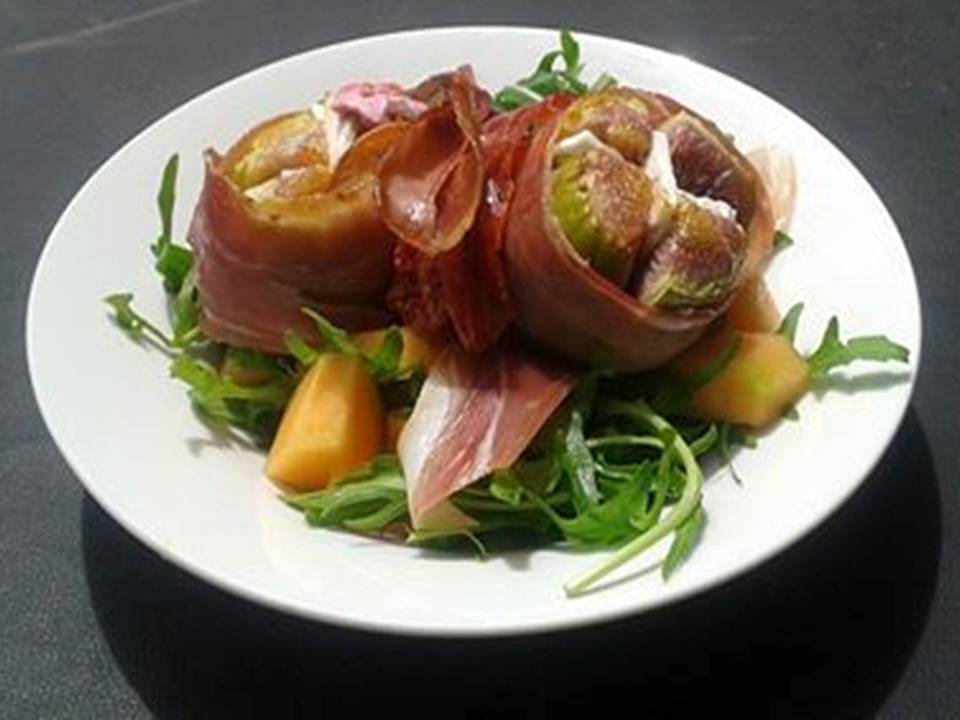
Baked Prosciutto, Fig and Melon Salad

Ingredients:

  • 6 whole Figs, washed
  • 2 cups of Rocket leaves
  • 1/2 cup soft Goat Cheese
  • 1 Rockmelon/Cantaloupe
  • 200gm very thin slices of Prosciutto
  • Balsamic Glaze 
  • Olive Oil


Making

  1. Preheat oven to 180 degrees Celsius. Cut small crosses into the top of figs, without cutting all the way through to the base. Place a small amount of goat’s cheese in the centre of the cross.
  1. Wrap one piece of prosciutto around each fig and secure with a toothpick. Place all figs on a baking tray lined with baking paper. Drizzle balsamic glaze and olive oil over figs and place in the oven for 30 minutes.
  1. Cut melon into small squares and mix with rocket leaves in a bowl.Place baked figs on top and drizzle balsamic glaze over salad.


Serves two people